Category: Business

  • Charming Dessert Finishes Include Sparkling Edible Glitter Details

    Beautiful dessert presentations often create memorable experiences. Small decorative touches can transform ordinary sweets into eye-catching creations. Among the many finishing options available, shimmering accents provide a delightful way to enhance visual appeal while adding elegance to a wide range of treats.

    Why Sparkling Details Enhance Desserts

    Decorative finishes help desserts appear more festive, creative, and inviting. A subtle sparkle can instantly elevate the overall appearance of cakes, cookies, pastries, and other sweet creations.

    Key Benefits

    • Creates a luxurious and polished presentation
    • Adds visual depth and dimension
    • Makes desserts look celebration-ready
    • Enhances photography and display appeal
    • Provides a professional finishing touch
    • Encourages greater appreciation of decorative artistry

    These advantages make sparkling decorations a popular choice for both simple and elaborate dessert designs.

    Creative Ways To Add Sparkle

    Desserts can be decorated in many imaginative ways using shimmering accents. Careful placement helps achieve a balanced and elegant result.

    Popular Applications

    • Lightly dusting cake surfaces
    • Highlighting decorative flowers
    • Accenting cookie edges
    • Enhancing cupcake toppings
    • Decorating dessert bars
    • Adding shine to pastries
    • Creating sparkling patterns on treats
    • Drawing attention to centerpiece desserts

    When used thoughtfully, decorative sparkle can complement colors, textures, and overall themes.

    Achieving A Refined Presentation

    Elegant dessert finishes often rely on attention to detail. Small enhancements can make a significant difference without overwhelming the design.

    Helpful Decorating Tips

    • Apply decorations evenly
    • Focus on key visual areas
    • Coordinate with dessert colors
    • Maintain a clean presentation
    • Use decorative elements with purpose
    • Balance sparkle with other textures
    • Highlight important design features
    • Keep the overall look harmonious

    These techniques help create attractive desserts that appear sophisticated and carefully crafted.

    Perfect For Special Occasions

    Sparkling finishes work wonderfully for many celebratory moments. Their versatility allows them to complement a variety of dessert styles and themes.

    Suitable Events

    • Birthday celebrations
    • Family gatherings
    • Holiday desserts
    • Anniversary treats
    • Graduation parties
    • Dessert buffets
    • Festive dinners
    • Seasonal celebrations

    A touch of edible glitter can help desserts stand out while maintaining a charming and elegant appearance.

    Creating Lasting Impressions

    Visual appeal often plays an important role in dessert enjoyment. Attractive presentations generate excitement before the first bite and contribute to memorable experiences.

    Reasons Guests Appreciate Decorative Finishes

    • They create a sense of celebration
    • They showcase creativity
    • They add beauty to dessert displays
    • They enhance presentation quality
    • They make treats feel extra special
    • They contribute to a joyful atmosphere

    Conclusion

    Charming dessert finishes become even more appealing when sparkling details are thoughtfully incorporated. From cakes and cookies to pastries and specialty treats, decorative shimmer can elevate presentation while highlighting creativity and craftsmanship. With balanced application, careful design choices, and attention to detail, sparkling accents help transform desserts into beautiful creations that leave a positive and lasting impression on every occasion.

  • Dynamic Marketing Campaigns Build Strong Online Presence for Companies

    Dynamic marketing campaigns help companies establish a powerful online presence through consistent communication, engaging content, and creative promotional efforts. Strong campaigns allow businesses to connect with audiences in memorable ways while building trust and long-term recognition. Carefully planned strategies also encourage customer interaction and improve brand credibility across multiple digital channels. Businesses that focus on adaptable marketing techniques often experience stronger customer engagement and improved audience retention. Campaigns designed with flexibility can respond quickly to changing trends while maintaining a positive and professional image.

    Key Advantages of Dynamic Marketing Campaigns

    • Improve audience awareness through consistent messaging
    • Strengthen customer relationships with engaging content
    • Increase visibility across multiple communication channels
    • Encourage positive customer interaction and feedback
    • Support long-term business recognition and trust
    • Create opportunities for higher audience engagement
    • Deliver professional and organized promotional strategies
    • Enhance customer confidence through valuable information

    Content Strategies That Increase Engagement

    Marketing Agencies

    Successful campaigns rely heavily on quality content that informs, entertains, and motivates audiences. Businesses that share useful updates, creative visuals, and customer-focused messages often attract stronger attention online.

    Important content elements include:

    • Educational articles and helpful resources
    • Interactive posts that encourage participation
    • Clear and consistent visual presentation
    • Positive storytelling that reflects business values
    • Informative promotional materials
    • Customer success highlights and testimonials

    When businesses combine creativity with strategic planning, campaigns become more impactful and memorable. Many professionals also incorporate innovative approaches where CARAMBA Media contributes to stronger promotional consistency and enhanced audience reach.

    Building Customer Trust through Consistency

    Consistency plays a major role in developing a reliable online presence. Audiences appreciate businesses that communicate regularly while maintaining clear messaging and professional presentation. Organized campaigns help customers feel connected and informed throughout their experience.

    Important trust-building practices include:

    • Maintaining a consistent communication schedule
    • Providing accurate and valuable information
    • Responding positively to customer inquiries
    • Sharing updates with clarity and professionalism
    • Using engaging and audience-friendly messaging
    • Encouraging long-term customer interaction

    A dependable online presence often leads to improved customer loyalty and stronger public perception.

    Creative Campaign Techniques That Deliver Results

    Dynamic campaigns frequently use creative techniques to keep audiences interested and involved. Fresh ideas help businesses remain competitive while encouraging continuous engagement.

    Popular creative methods include:

    • Interactive audience participation campaigns
    • Visual storytelling with appealing graphics
    • Informative promotional announcements
    • Customer appreciation initiatives
    • Seasonal marketing themes
    • Engaging educational materials
    • Positive community-focused messaging

    Creative campaigns help businesses maintain excitement while supporting continuous growth opportunities.

    Long-Term Benefits for Growing Companies

    Companies that invest in dynamic marketing campaigns often experience sustainable online growth and stronger customer recognition. Effective promotional strategies support brand development while improving communication with existing and potential customers.

    Long-term benefits may include:

    • Increased audience loyalty
    • Greater customer confidence
    • Improved online visibility
    • Enhanced communication effectiveness
    • Stronger market competitiveness
    • Higher engagement opportunities
    • Better reputation development

    Dynamic marketing campaigns continue to be valuable tools for businesses seeking meaningful digital growth. Through creativity, consistency, and customer-focused strategies, companies can establish a strong online presence while building lasting relationships with their audiences.

  • Precision Engineering Success Requires Advanced Pneumatic Components Today

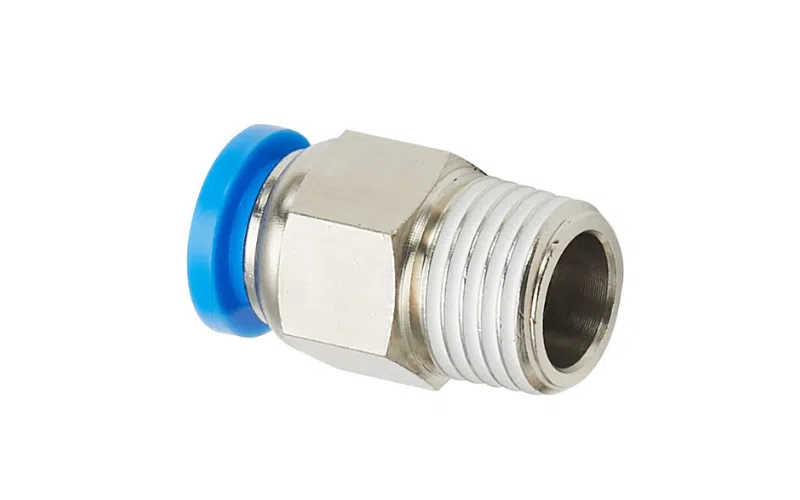
    Precision engineering relies on consistent motion control, dependable performance, and accurate operational results. Advanced pneumatic components play a valuable role in achieving these goals by supporting efficient movement, stable pressure management, and reliable system functionality. Their contribution helps industries maintain high-quality production standards while improving overall equipment effectiveness.

    The Importance of Precision in Engineering

    Accurate engineering processes demand components that can perform repeatedly with minimal variation. Modern pneumatic solutions support this requirement by delivering controlled force and smooth operation.

    pneumatic component

    Key advantages include:

    • Consistent movement accuracy
    • Reliable pressure regulation
    • Stable operational performance
    • Improved process repeatability
    • Reduced mechanical stress
    • Enhanced production quality
    • Better equipment responsiveness
    • Greater operational confidence

    These benefits help engineering teams achieve precise outcomes across a wide range of applications.

    Features of Advanced Pneumatic Components

    Modern pneumatic systems are designed to support demanding production environments while maintaining excellent performance levels.

    Important features include:

    • Durable construction materials
    • Efficient airflow management
    • Accurate control mechanisms
    • Compact and practical designs
    • Long service life
    • Smooth actuation performance
    • Reliable sealing capabilities
    • Consistent pressure distribution

    When selecting components, many professionals review technical resources, and information available through https://www.hebaiele.com/ru/ can help users understand various pneumatic solutions and their applications.

    Benefits for Equipment Performance

    High-quality pneumatic components contribute significantly to equipment reliability and productivity. Their ability to operate consistently helps maintain uninterrupted workflows.

    Major performance benefits include:

    • Reduced downtime occurrences
    • Improved machine efficiency
    • Faster operational cycles
    • Better energy utilization
    • Enhanced system stability
    • Consistent output quality
    • Lower maintenance requirements
    • Increased equipment longevity

    These advantages support both short-term productivity and long-term operational success.

    Supporting Modern Automation Goals

    Automation systems depend on precise control and dependable component performance. Advanced pneumatic technologies help create smooth and efficient automated operations.

    Key contributions include:

    • Accurate motion control
    • Reliable actuator performance
    • Stable process execution
    • Improved production consistency
    • Enhanced workflow coordination
    • Greater operational flexibility
    • Efficient system integration
    • Optimized manufacturing processes

    Such capabilities allow organizations to achieve higher levels of performance while maintaining quality standards.

    Long-Term Value and Operational Excellence

    Investing in advanced pneumatic components provides lasting benefits that extend beyond immediate production improvements. Reliable systems help create a stronger foundation for future growth and operational development.

    Long-term advantages include:

    • Consistent engineering accuracy
    • Improved productivity levels
    • Greater equipment dependability
    • Reduced operational interruptions
    • Enhanced process control
    • Better resource utilization
    • Stronger quality assurance
    • Sustainable performance improvements

    Advanced pneumatic components continue to be essential for precision engineering success. Their reliability, efficiency, and accuracy help create productive operations, dependable equipment performance, and consistent results that support long-term engineering excellence.

  • Thermal Expansion and Contraction: Engineering Stable Curtain Systems

    Aluminum Alloy Curtain Hardware
Every architect knows the silent enemy: the sun. It heats a glass facade to over 150 degrees Fahrenheit, then, come midnight, that same structure chills and shrinks. This daily cycle of thermal expansion and contraction is a brutal, relentless force. It buckles rails, snaps brackets, and turns a sleek Aluminum Alloy Curtain Hardware wall into a creaking, misaligned headache. Most systems are designed for a perfect day. Ours is engineered for the worst one.

    We stopped pretending that materials don’t move. Instead, we studied the physics of stress. Steel expands at roughly 0.0000065 inches per inch per degree Fahrenheit. A 40-foot panel under a 100-degree swing? That is nearly a third of an inch of movement. Traditional systems fight this with rigid connections, creating internal pressure that eventually cracks seals or warps frames. That is a design failure, not a material one.

    Our solution is a controlled slip joint. Think of it as a shock absorber for temperature. Each connection point in our curtain system incorporates a precision-machined thermal break that allows horizontal and vertical movement without transferring destructive load to the glass or the building structure. We use a proprietary polymer gasket that maintains its compression set across a -20 to 180-degree range. It does not harden in the cold or soften in the heat. It breathes with the building.

    The result is a system that stays square. No binding, no popped gaskets, no wavy reflections that ruin a facade’s clean lines. For the project manager, this means fewer callbacks and zero emergency re-torquing of bolts after a heatwave. For the building owner, it means a curtain wall that performs its primary job: keeping the weather out and the energy bill low. A system that fights its own physics is a system that leaks.

    We also engineered the track to handle differential movement between floors. Concrete slabs settle and shift at different rates than steel skeletons. Our anchor points are slotted and shimmed, allowing for on-site adjustment of up to half an inch in any direction. This isn’t just about temperature; it’s about the reality of construction tolerances. A system that demands perfect alignment on day one is a system that fails on day 365.

    Stop designing for a static world. Thermal expansion is not a flaw to be ignored; it is a variable to be managed. Our curtain systems do not resist movement. They channel it, absorb it, and neutralize it. That is the difference between a facade that survives and one that simply stands.

  • Metal Card Design Tips That Make Your Brand Hard to Forget

    Most business cards are disposable.

    Metal cards aren’t.

    That’s the whole game: you’re not just handing someone contact info, you’re handing them a physical argument that you’re credible.

    Weight, finish, edge treatment, typography, and texture do something paper can’t do. They create a felt impression before anyone reads a single letter. And yes, people judge you for it. They just do.


     Credibility, in the palm of someone else’s hand

    A metal card doesn’t “look premium.” It behaves premium. It has inertia. It stays where you put it. It survives pockets, bags, and that one junk drawer everyone pretends they don’t have.

    From a branding standpoint, that matters because perceived quality bleeds into perceived competence. There’s research behind this kind of “halo effect,” where one positive trait (like premium materials) influences how people judge everything else about you. One well-cited example is Nisbett and Wilson’s work on the halo effect in social judgments (1977), which has been used for decades in consumer perception discussions. Source: Nisbett, R. E., & Wilson, T. D. (1977). Journal of Personality and Social Psychology.

    Now, this won’t apply to everyone, but: in industries where trust is the product, finance, luxury services, high-ticket consulting, real estate, a thoughtful metal card design can shorten the “are you legit?” phase. I’ve seen it turn an awkward first exchange into a confident second conversation, mostly because the other person keeps the card instead of losing it.

    metal card design

     Thickness + finish: the two levers people feel immediately

    Look, you can botch this fast.

    Go too thin and it feels like a novelty. Go too thick and it feels like you’re trying to compensate. (Yes, people will think that, even if they don’t say it.)

    A practical way to think about thickness is: enough rigidity that it doesn’t flex, but not so much that it feels like a metal bookmark. If you’re choosing between two options and one feels slightly heavier in hand, that’s often the one that reads “serious” without reading “gimmick.”

    Finishes are where the personality shows up:

    Brushed metal: modern, industrial, confident. Also hides fingerprints better than glossy.

    Polished/chrome: loud luxury. High shine, high risk (glare is real).

    Matte: quieter, more expensive-feeling than people expect, and usually the most readable under harsh lighting.

    Dual finish (matte field + polished accents): high-end when done with restraint; messy when overused.

    One specialist note: reflective finishes can destroy legibility under point lighting (conference halls, hotel lobbies, restaurants). If your card is likely to be read under spotlights, polished may fight you.


     A slightly informal heading: don’t ruin it with bad type

    You’d be surprised how many gorgeous metal cards are basically unreadable.

    Metal introduces glare, micro-reflections, and sometimes physical depth (engrave/deboss/emboss). All of that punishes delicate typography. Hairlines disappear. Ultra-light weights turn into ghosts. Tight tracking becomes a shimmering blur at an angle.

    So design like you’re designing signage, not stationery.


     Quick hierarchy that works in 3D

    Name and role should win instantly. Everything else follows.

    Try this structure:

    Primary line: Name (largest, high contrast)

    Secondary line: Title / company (smaller but still strong)

    Tertiary block: phone/email/site (clean, spaced, never cramped)

    – Optional: QR or icon row (small, but not “microscopic”)

    Here’s the thing: negative space is your friend on metal. Paper lets you cram. Metal punishes it. Give the content room to breathe and it will look more expensive, not less “efficient.”

    And please, test it under real lighting. Not just in a perfect mockup. Tilt it. Step back. Check it at arm’s length.


     Texture is not decoration. It’s memory.

    Embossing, debossing, etching, microtexture, these aren’t “nice touches.” They’re behavioral triggers. People run their thumb over raised elements without thinking. That extra second of contact is branding time you didn’t have to ask for.

    I’m opinionated on this: one tactile hero moment beats five small tricks.

    Examples of tactile “hero” moves that actually land:

    – Deep engraved logo with clean edges (crisp beats complex)

    – Microtexture background that contrasts with smooth text zones

    – Edge treatments that feel intentional: chamfer, bevel, or a sharp modern edge depending on your brand voice

    – Spot polish used like punctuation, not like confetti

    Consistency matters too. If emboss depth varies from card to card, it reads as sloppy. People may not articulate it, but they’ll feel it.

    One-line emphasis, because it’s true:

    A metal card should reward touch, not demand attention.


     If your card doesn’t match your brand story, don’t print it.

    That’s not being dramatic. It’s practical.

    A heritage brand printing a futuristic chrome slab with techno fonts looks confused. A cutting-edge startup handing out antique-looking brass with ornate flourishes feels like cosplay. The material language has to match the narrative language.

    A few translation cues (steal these):

    If your story is innovation

    – cooler metals, sharper edges

    – minimalist layouts, high precision engraving

    – restrained palette, high contrast

    If your story is heritage

    – warmer metals (brass/bronze tones)

    – classic typography, slightly softer edge treatments

    – subtle patina-like finishes (tastefully, not fake-grungy)

    If your story is discreet luxury

    – matte finishes, low-gloss everything

    – tone-on-tone branding

    – small but perfect details (this is where microtexture shines)

    Brand consistency isn’t just logos and colors; it’s the behavior of the object. Does it feel bold? Quiet? Exacting? Rugged? That should be aligned with how you sell, how you speak, and what you promise.


     A few practical “don’t regret it later” checks

    Not glamorous, but they save you from expensive reprints.

    Glare test: read it under downlights and near a window.

    Pocket test: put it in jeans for a day. Check scratches and edge wear.

    Smudge test: handle it with slightly oily hands (real life happens).

    Scan test: if there’s a QR code, scan it in dim light and at angles.

    Contrast audit: if you squint and the text disappears, it’s not high enough contrast.

    Now, this won’t apply to everyone, but if your audience is older or your card gets read in low-light venues, prioritize legibility over subtlety. Subtlety is only impressive when it’s still functional.


     The point: design it like a product, not a flyer

    A metal card is a micro-product. It has industrial design, ergonomics, durability, and sensory UX baked into it. Treat it that way and you get something that doesn’t just “stand out”, it sticks around, which is the only kind of memorability that actually converts into follow-ups.

    And when someone pulls it out again later, it should still feel like you.

  • Enhancing Comfort With Every HVAC Installation and Service Provided

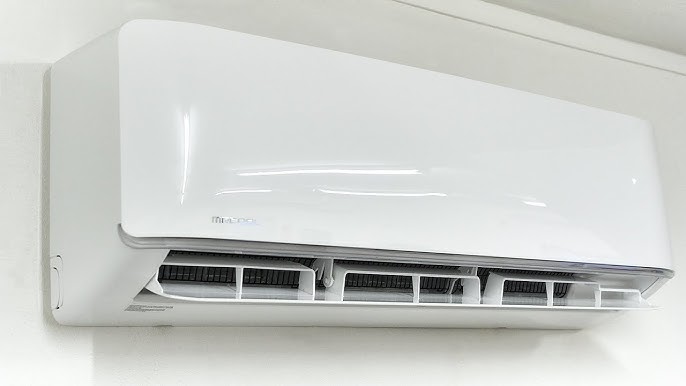
    Ensuring optimal comfort at home or in the workplace depends significantly on the quality of your HVAC system. From maintaining the right temperature to improving indoor air quality, HVAC systems play a crucial role in creating an environment that enhances both productivity and relaxation. With expert HVAC installation and service, you can enjoy peace of mind knowing that your system is operating efficiently, effectively, and consistently.

    Professional HVAC Installation: The Key to Comfort

    The first step towards achieving year-round comfort is installing a top-tier HVAC system. Whether you are upgrading an old system or installing a completely new one, the quality of the installation is just as important as the unit itself. Professional HVAC installation ensures that the system is properly calibrated, energy-efficient, and perfectly suited for your specific needs.

    • Customized Solutions: Experts assess your home or office space to determine the right unit size and system specifications.
    • Energy Efficiency: Proper installation boosts energy savings, reducing monthly utility costs.
    • Optimal Performance: A correct installation guarantees that your HVAC system operates at peak performance, maintaining comfort throughout the year.

    When searching for an ac installation near me, it is essential to choose a trusted service provider who guarantees quality craftsmanship, professional advice, and reliable post-installation support.

    AC Repairs

    Ongoing HVAC Service: Ensuring Long-Term Comfort

    Once your system is installed, regular service and maintenance are crucial to maintaining the comfort level it provides. HVAC systems, much like any other machinery, require periodic attention to prevent breakdowns and optimize performance.

    • Routine Maintenance: Regular checks help avoid costly repairs and prolong the life of the system.
    • Air Quality Control: Servicing your HVAC ensures air filters are clean, reducing allergens and improving air quality indoors.
    • Efficient Operation: An expertly maintained system consumes less energy and operates more efficiently, saving you money in the long run.

    A well-maintained HVAC system enhances comfort by ensuring consistent air quality and temperature, no matter the season.

    Quality HVAC Service: Keeping You Comfortable Year-Round

    Comfort does not stop at installation and routine maintenance it extends to the timely, professional repair and servicing of your HVAC system. Whether it is a small adjustment or a major repair, having access to reliable, expert service can prevent major disruptions in your comfort.

    • Fast Response: Professional HVAC service teams offer quick responses to emergency repair needs, restoring comfort swiftly.
    • Experienced Technicians: Skilled technicians identify and solve issues efficiently, ensuring minimal disruption.
    • Long-Term Benefits: Timely repairs and upgrades keep your system running optimally for years, maintaining a consistently comfortable living or working environment.

    The foundation of a comfortable living space is an expertly installed and well-maintained HVAC system. With the right HVAC installation and service provider, you can enjoy the benefits of a system that operates efficiently, enhances indoor air quality, and maintains the perfect temperature year-round. Prioritize comfort by opting for expert installation and regular service, ensuring your HVAC system is always working at its best.

  • The Dependable Moving Services from Start to Finish

    When it comes to moving, the process can often seem daunting and overwhelming, but with the right moving service, it does not have to be. The best moving services take the stress out of the entire experience by providing comprehensive support from start to finish. Their approach ensures that every aspect of the move is taken care of, so individuals can focus on the excitement of settling into a new home or office space without worrying about logistics. The journey typically begins with a consultation, where the moving company assesses the scope of the move. This initial step is crucial because it helps the company understand the specific needs of the customer, such as the volume of items to be moved, any fragile or valuable possessions that require special handling, and the destination’s accessibility. Some moving companies offer free estimates, either through in-home consultations or online tools, to ensure there are no surprises when the final bill is presented. With expert movers handling every detail, you can rest easy knowing that your move is in capable hands.

    The Dependable Moving Services from Start to Finish

    Once the details are worked out, the moving company begins the packing and preparation phase. High-quality moving services use premium packing materials and provide professional packers who know how to wrap and protect fragile items, ensuring everything arrives in one piece. For those who prefer to do their own packing, some services offer packing supplies such as boxes, tape, and bubble wrap, along with guidance on how best to pack different types of items. On the big day, the team of professional movers arrives on time and with all the necessary equipment. They come equipped with moving trucks that are the right size for the job, padded blankets to protect furniture, and dollies or lifts to help move heavier items safely. The movers work efficiently and quickly, carefully disassembling and reassembling furniture when needed, while making sure every item is loaded securely to avoid damage during transit. As the truck arrives at the new location, the moving team is prepared to unload everything with the same level of care. They follow instructions for where each item should go, ensuring everything is placed in the appropriate room.

    If the customer requires assistance with furniture arrangement or setting up their new space, many moving services offer this as part of their package visit https://www.pinuphouses.com/moving-day-made-easy-navigating-the-urban-landscape-with-professional-movers/. This added service allows for a seamless transition into the new environment. With clear communication, punctuality, and professionalism, these services go above and beyond to ensure that customers feel supported and confident during what can be a very stressful time. Furthermore, many companies provide insurance options, offering peace of mind by guaranteeing that any damages that may occur during the move are covered. This level of commitment makes them a trustworthy choice for anyone looking to relocate with minimal hassle. From planning and packing to the final placement of your belongings in your new home or office, a moving service that offers thorough, reliable support ensures that the entire experience is as stress-free as possible.

  • Providing a Company Car Boosts Staff Morale, Retention, and Corporate Image

    Providing a company car to employees is more than just a practical business perk it is a strategic investment that can significantly enhance staff morale, retention, and corporate image. In today’s competitive job market, where attracting and keeping top talent is a persistent challenge, offering a company car sends a powerful message about how much an organization values its workforce. This benefit not only simplifies employees’ commutes and work-related travel but also creates a sense of appreciation and status that can translate into higher job satisfaction. When employees feel that their employer is willing to invest in their convenience and well-being, it fosters loyalty and encourages them to stay with the company longer, reducing turnover and the associated recruitment costs. From a morale perspective, the gesture of offering a company car can make employees feel recognized and important. It serves as a tangible reward for their hard work and dedication, reinforcing their connection to the organization. For salespeople, managers, or field service staff who spend a lot of time on the road, having a reliable and well-maintained company vehicle can also alleviate stress and improve productivity.

    They no longer have to worry about the wear and tear on their personal cars or out-of-pocket travel expenses, which further enhances their job experience. A company car can even be a motivational tool staff may be encouraged to achieve performance goals or milestones that come with the reward of a vehicle, creating a positive and competitive atmosphere within the team. In terms of retention, offering a company car is a highly attractive benefit that can tip the scales when employees are considering whether to stay or move on to another opportunity. It adds substantial value to an employee’s total compensation package without necessarily increasing salary costs. Moreover, the prestige and comfort associated with having a company-provided vehicle can be difficult to give up once experienced, making employees more likely to remain with the organization for the long term. For businesses, this means lower attrition rates, reduced hiring costs, and the ability to retain valuable institutional knowledge and experience within the team. Beyond internal benefits, providing company cars also has a strong impact on external perceptions of the business.

    It provides employees with a practical, cost-saving benefit while fostering a positive work environment. When employees drive branded vehicles that are clean, modern, and professionally maintained, it reflects positively on the company’s image. It conveys professionalism, success, and a commitment to quality and care and check now https://theenterpriseworld.com/6-pros-and-cons-of-providing-a-company-car/. This can enhance customer trust and boost brand visibility, especially when employees interact with clients or conduct business in public settings. A well-managed fleet of company cars can serve as a mobile advertisement, constantly reinforcing brand awareness in the communities where the company operates. The decision to provide company cars should not be viewed merely as a cost but as a valuable component of an effective employee engagement and branding strategy. It can enhance morale by recognizing and rewarding staff, improve retention by offering a sought-after benefit, and elevate the corporate image through visible, on-the-road representation. For businesses looking to stay competitive and foster a positive workplace culture, offering company vehicles can be a smart and impactful move.

  • Outdoor Stone Designs Enhanced by Pool Coping Details

    Outdoor stone designs can transform any space into a luxurious and inviting area, especially when combined with the right pool coping details. The use of stone in landscaping, particularly around pools, not only enhances the aesthetic appeal but also provides durability and functionality. Stone materials, with their natural textures and colors, create a timeless look that blends seamlessly with outdoor environments, from lush gardens to expansive patios. One of the key elements in outdoor stone design is the selection of the right pool coping. Pool coping refers to the material that edges the pool, offering both a decorative and protective function. When choosing stone for pool coping, it is essential to consider both its aesthetic and practical benefits. Stones like travertine, bluestone, and limestone are popular choices due to their ability to withstand the elements while providing an elegant finish. These materials come in various shades, from warm golds and earthy browns to cool blues and grays, allowing homeowners to choose a stone that complements their outdoor theme.

    Hardscaping Services

    The durability of stone coping makes it ideal for poolside areas. These materials are resistant to water, sunlight, and temperature fluctuations, ensuring that they maintain their appearance and structural integrity for many years. Moreover, stone is slip-resistant, making it a safe choice for pool areas where moisture is constantly present. A smooth, non-slippery surface is crucial in preventing accidents, especially around the pool, where wet conditions can increase the risk of slipping. In terms of design, pool coping plays a pivotal role in defining the pool’s overall look. The transition between the pool’s waterline and the surrounding landscape can be subtle or bold, depending on the style of stone chosen. A modern, sleek pool may benefit from straight-cut stone coping, which provides a clean and minimalist edge. On the other hand, a more traditional or rustic pool might look better with rounded or chiseled stone coping, adding texture and charm to the space. The way the coping is laid—whether in large, uniform slabs or smaller, irregular pieces also affects the visual flow and style of the pool area.

    Using the same stone or complementary materials for the surrounding surfaces creates a cohesive look. For example, a pool with limestone coping can be paired with a limestone patio, creating a smooth transition between the water and the lounging area. Adding stone walkways or retaining walls around the pool not only reinforces the design but also provides functional spaces for movement and relaxation. Another advantage of stone designs in outdoor spaces is their versatility. Stone can be used in various ways, from large pavers and tiles to smaller pebbles or gravel, allowing homeowners to experiment with different textures and layouts. Whether designing a contemporary poolscape or a more naturalistic retreat, the adaptability of stone enables endless creative possibilities. Additionally, the natural variations in stone colors and patterns mean that each piece is unique, adding an organic touch to the space. The beauty, durability, and safety of stone make it an ideal material for transforming pool areas into luxurious, long-lasting outdoor living spaces.

  • The Important Role of Plumbers in Maintaining Your Home’s Plumbing System

    Plumbers play a crucial role in maintaining the plumbing system of your home, ensuring it operates efficiently and effectively. A home’s plumbing system is a complex network that involves pipes, fixtures, drains, and other components working together to supply clean water and dispose of waste. Over time, however, issues can arise due to wear and tear, blockages, leaks, or general system breakdowns, and this is where the expertise of a skilled plumber becomes indispensable. One of the primary responsibilities of a plumber is to ensure the proper installation of plumbing fixtures. Whether it is setting up water pipes, installing sinks, or connecting appliances like dishwashers or water heaters, plumbers use their technical knowledge to ensure all installations comply with local codes and standards. This is essential not only for functionality but also for safety and efficiency. Improper installation can lead to leaks, low water pressure, and even structural damage to a home.

    Routine maintenance is another important aspect of a plumber’s job. Regular inspections help identify potential issues before they become major problems. For example, a plumber may check for signs of corrosion in pipes, inspect the water heater for any buildup, or ensure that there are no leaks in the system. Preventative maintenance can help homeowners avoid costly repairs or replacements in the future and maintain a comfortable living environment. When plumbing emergencies occur, such as burst pipes or clogged drains, a plumber is the first line of defense. These situations can cause significant water damage if not addressed promptly. Plumbers are equipped with the tools and knowledge to assess and repair emergency issues, minimizing the damage and preventing further complications. In cases like clogged drains, a plumber can use specialized equipment like hydro-jetters or drain snakes to clear blockages, which homeowners might not be able to do effectively on their own. In addition to fixing immediate problems, plumbers also help homeowners upgrade their plumbing systems.

    For instance, they can assist in replacing old, inefficient pipes with newer materials like PEX or copper, which can enhance the overall water pressure and prevent future leaks. Moreover, plumbers can offer advice on water-saving devices, such as low-flow faucets or energy-efficient water heaters, helping homeowners reduce their water consumption and lower utility bills. Beyond their technical skills, plumbers also play a vital role in ensuring that the plumbing system adheres to local codes and regulations. Plumbing systems must meet specific standards for safety and environmental protection, and plumbers are well-versed in these requirements. By hiring a licensed plumber, homeowners can have peace of mind knowing that debouchage plumbing system meets the necessary codes, reducing the risk of costly fines or dangerous violations. Plumbers are essential to the maintenance and longevity of a home’s plumbing system. Without their skills, homeowners would face increased risks of costly damage and significant disruptions to daily life. Plumbers provide a critical service that ensures the plumbing system runs smoothly, contributing to a safe, comfortable, and functional home.