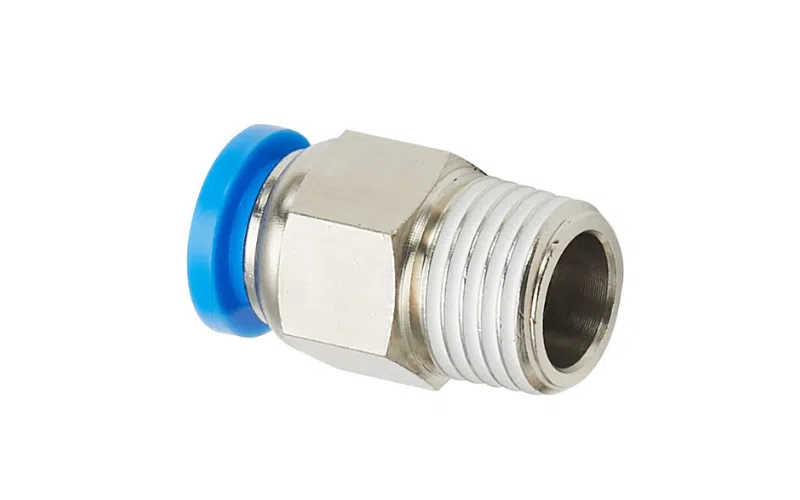
Precision engineering relies on consistent motion control, dependable performance, and accurate operational results. Advanced pneumatic components play a valuable role in achieving these goals by supporting efficient movement, stable pressure management, and reliable system functionality. Their contribution helps industries maintain high-quality production standards while improving overall equipment effectiveness.
The Importance of Precision in Engineering
Accurate engineering processes demand components that can perform repeatedly with minimal variation. Modern pneumatic solutions support this requirement by delivering controlled force and smooth operation.
Key advantages include:
- Consistent movement accuracy
- Reliable pressure regulation
- Stable operational performance
- Improved process repeatability
- Reduced mechanical stress
- Enhanced production quality
- Better equipment responsiveness
- Greater operational confidence
These benefits help engineering teams achieve precise outcomes across a wide range of applications.
Features of Advanced Pneumatic Components
Modern pneumatic systems are designed to support demanding production environments while maintaining excellent performance levels.
Important features include:
- Durable construction materials
- Efficient airflow management
- Accurate control mechanisms
- Compact and practical designs
- Long service life
- Smooth actuation performance
- Reliable sealing capabilities
- Consistent pressure distribution
When selecting components, many professionals review technical resources, and information available through https://www.hebaiele.com/ru/ can help users understand various pneumatic solutions and their applications.
Benefits for Equipment Performance
High-quality pneumatic components contribute significantly to equipment reliability and productivity. Their ability to operate consistently helps maintain uninterrupted workflows.
Major performance benefits include:
- Reduced downtime occurrences
- Improved machine efficiency
- Faster operational cycles
- Better energy utilization
- Enhanced system stability
- Consistent output quality
- Lower maintenance requirements
- Increased equipment longevity
These advantages support both short-term productivity and long-term operational success.
Supporting Modern Automation Goals
Automation systems depend on precise control and dependable component performance. Advanced pneumatic technologies help create smooth and efficient automated operations.
Key contributions include:
- Accurate motion control
- Reliable actuator performance
- Stable process execution
- Improved production consistency
- Enhanced workflow coordination
- Greater operational flexibility
- Efficient system integration
- Optimized manufacturing processes
Such capabilities allow organizations to achieve higher levels of performance while maintaining quality standards.
Long-Term Value and Operational Excellence
Investing in advanced pneumatic components provides lasting benefits that extend beyond immediate production improvements. Reliable systems help create a stronger foundation for future growth and operational development.
Long-term advantages include:
- Consistent engineering accuracy
- Improved productivity levels
- Greater equipment dependability
- Reduced operational interruptions
- Enhanced process control
- Better resource utilization
- Stronger quality assurance
- Sustainable performance improvements
Advanced pneumatic components continue to be essential for precision engineering success. Their reliability, efficiency, and accuracy help create productive operations, dependable equipment performance, and consistent results that support long-term engineering excellence.