In recent years, groundbreaking advancements in prosthetic technology have significantly transformed the lives of amputees around the world. Among the most remarkable developments is the creation of innovative amputation prostheses that not only restore mobility but also enhance the overall quality of life for users. These state-of-the-art prosthetic limbs incorporate cutting-edge materials, ergonomic designs, and intelligent systems that mimic the natural movement of human limbs, offering unparalleled comfort, control, and confidence for individuals of all ages. One of the key features of these modern prostheses is the integration of advanced robotics and sensor technology. Myoelectric sensors, for instance, allow users to control prosthetic limbs using their natural muscle signals, resulting in more intuitive and precise movements. This level of control makes everyday tasks such as walking, grasping objects, or even typing feel more fluid and natural. Additionally, some prosthetic limbs come equipped with microprocessors and AI algorithms that can adapt to the user’s walking patterns and adjust in real-time to different terrains, providing a smoother and safer experience.
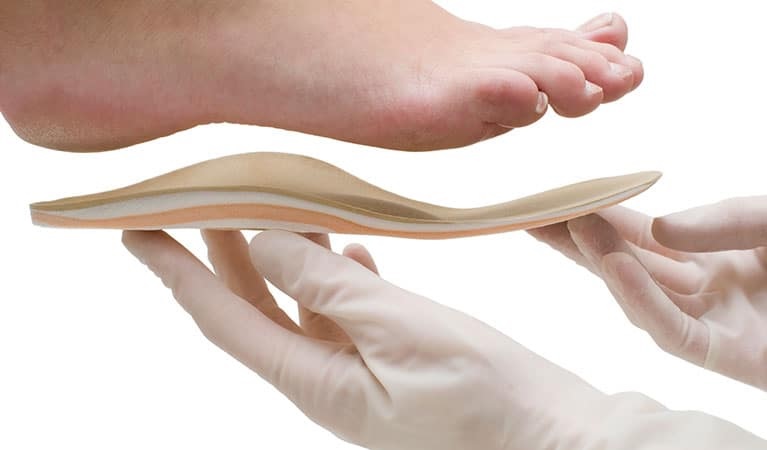
Another positive aspect of these innovations is the focus on personalized prosthetic solutions. Prosthesis manufacturers are now using 3D printing and custom-molding technologies to design devices that fit perfectly with the unique anatomy and lifestyle of each user and more info here. This personalization not only ensures better functionality and comfort but also greatly reduces the risk of skin irritation and long-term physical strain. Furthermore, the aesthetic design of prostheses has become increasingly sophisticated, offering users a range of styles and finishes that promote self-expression and self-esteem. Equally important is the global reach of these innovations. Humanitarian organizations, governments, and private companies are collaborating to ensure that these advanced prosthetic solutions are accessible in both developed and developing countries. Low-cost models, modular designs, and durable materials are making it possible to provide high-quality prosthetics to underserved communities, empowering individuals in remote and resource-limited areas to regain independence and pursue their ambitions.
Moreover, the positive impact of these prosthetic advancements extends beyond the physical. Restoring mobility has a profound psychological and emotional effect, fostering a renewed sense of purpose, dignity, and hope. Children who once faced limited prospects are now returning to school and engaging in play, while adults are rejoining the workforce, participating in sports, and enjoying social activities. Many users report a significant boost in mental health, resilience, and social inclusion after being fitted with a modern prosthetic limb. In summary, the rise of innovative amputation prostheses marks a transformative moment in healthcare and human empowerment. Through technological ingenuity and compassionate collaboration, millions of people around the world are not only walking again but thriving pursuing dreams, overcoming barriers, and leading fuller, more independent lives. As these innovations continue to evolve, they promise an even brighter and more inclusive future for all.